
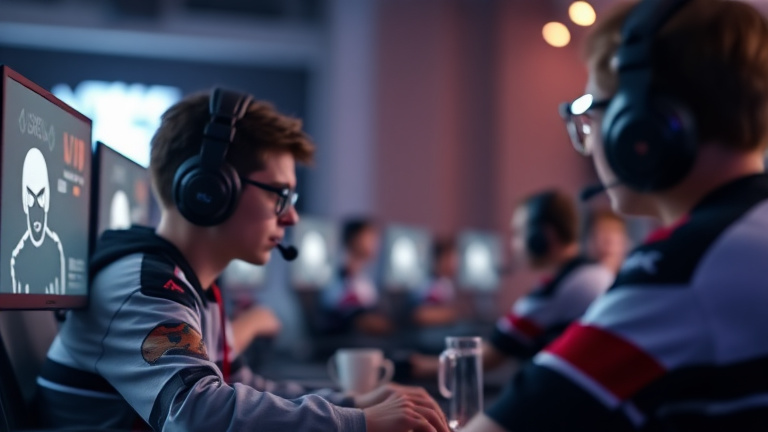
The esports industry is making meaningful progress toward professional health. Leading teams are now introducing extensive mental health support programs, understanding the high-stress environment competitive gaming places on athletes. These initiatives include therapy resources, stress reduction tools, and community support groups created for esports professionals. As the industry matures, prioritizing mental health with physical training has become critical. This article discusses how top teams are transforming athlete support and creating new expectations for athlete wellbeing in esports competition.
Industry Recognition of Mental Health Concerns
The esports industry has undergone a significant change in recognizing mental health as a vital aspect of player performance and wellbeing. For years, competitive gaming was mainly concentrated on mechanical skill and strategic gameplay, with limited attention paid to the mental pressures affecting professional players. However, growing documentation of burnout, anxiety, and depression among esports athletes has prompted major organizations to evaluate their methods. This shift indicates a progression of the industry, transcending the perception that mental health concerns are merely personal issues to recognizing them as legitimate occupational hazards that require structured support and intervention.
The esports competitive landscape introduces unique psychological stressors that distinguish it from traditional sports. Players encounter intense pressure from worldwide spectators, relentless practice schedules, and the constant threat of professional irrelevance due to quickly changing game metas. The youth composition of many esports professionals exacerbates these challenges, as numerous competitors are continuing to develop emotional regulation skills while managing the demands of professional competition. Lack of sleep, professional loneliness, and financial instability additionally contribute to mental health vulnerabilities. Recognizing these multifaceted challenges, major organizations have begun implementing robust mental wellness frameworks to tackle the underlying factors of competitor mental strain.
Industry leaders now recognize that supporting player mental health significantly impacts better results, stronger team dynamics, and long-term sustainability. By prioritizing psychological wellbeing alongside physical training, organizations attract top talent and keep seasoned professionals who might otherwise pursue other opportunities. This acknowledgment has catalyzed the development of targeted psychological support initiatives tailored to competitive gaming demands. Major organizations are partnering with psychological experts to develop research-backed solutions, demonstrating that the industry is dedicated to long-term athlete growth and setting higher benchmarks for player support in competitive gaming.
Full-Scale Support Efforts
Major esports companies are launching comprehensive mental health programs that tackle the distinct cognitive pressures of professional esports. These extensive initiatives extend past traditional employee assistance offerings, providing tailored assistance that acknowledges the distinct challenges professional gamers face. By combining therapy, wellness resources, and community support systems, companies are establishing holistic ecosystems intended to enhance long-term mental wellbeing and career longevity for their athletes.
Professional Advisory Services
Major esports teams are working with licensed mental health professionals who specialize in athlete psychology and stress from gaming. These mental health specialists deliver personalized therapy targeting performance-related anxiety, exhaustion, and personal challenges influencing players’ wellbeing. Organizations are guaranteeing confidentiality and accessibility, offering in-person or remote sessions to meet the needs of players’ hectic timetables and geographic locations globally.
The integration of sports psychologists into esports organizations represents a significant shift in industry standards. These professionals help players build psychological toughness, manage competitive demands, and maintain equilibrium between professional and personal commitments. By treating mental health with the equal weight as athletic preparation, teams are lowering prejudice and prompting players to seek support actively during tough stretches.
Health and Wellness and Support Services
Esports organizations are introducing broad health programs that address physical health, sleep quality, nutrition, and stress management. These programs understand that mental health is linked to overall lifestyle factors. Players get support on building sound habits, controlling device usage, and sustaining physical conditioning that bolster cognitive function and emotional resilience during intense competitive seasons.
Educational training sessions on digital tools empower players with useful tools for mental health management. Organizations offer availability of mindfulness applications, stress-reduction techniques, and sleep improvement approaches created for esports professionals. These tools are available on-demand, letting players to develop personalized wellness routines that fit their unique circumstances and availability.
- Mindfulness and meditation workshops for stress management strategies
- Nutrition counseling and meal planning tailored for gaming performance
- Sleep improvement workshops focusing on sleep cycle management
- Fitness programs designed for competitive gamers and athletic development
- Community support groups fostering connection and mutual support
Impact and Future Outlook
The implementation of mental wellness programs by major esports organizations is already revealing meaningful improvements for athlete wellness and competitive results. Preliminary research suggests that competitors with mental health counseling and stress reduction tools demonstrate better concentration, reduced anxiety, and better life satisfaction. These programs are establishing a cultural shift in competitive gaming, normalizing conversations about mental health and lowering social stigma. As additional companies adopt similar initiatives, the broader impact is motivating lesser-known teams and rising talent to focus on mental health resources, building a comprehensive framework to esports competition that values mental resilience alongside mechanical skill.
Looking ahead, the outlook of esports psychological support appears increasingly promising and comprehensive. Industry experts predict that psychological services will become standard practice rather than optional amenities, incorporated into player agreements and organizational budgets. New technologies such as AI-powered stress monitoring and virtual reality therapy sessions may improve support availability. Additionally, collaboration between esports organizations, sports psychologists, and academic organizations will likely drive research and innovation in this field. As the industry matures, mental health support programs will serve as essential components in recruiting players, improving retention rates, and establishing esports as a credible, athlete-focused competitive landscape.
